Overview
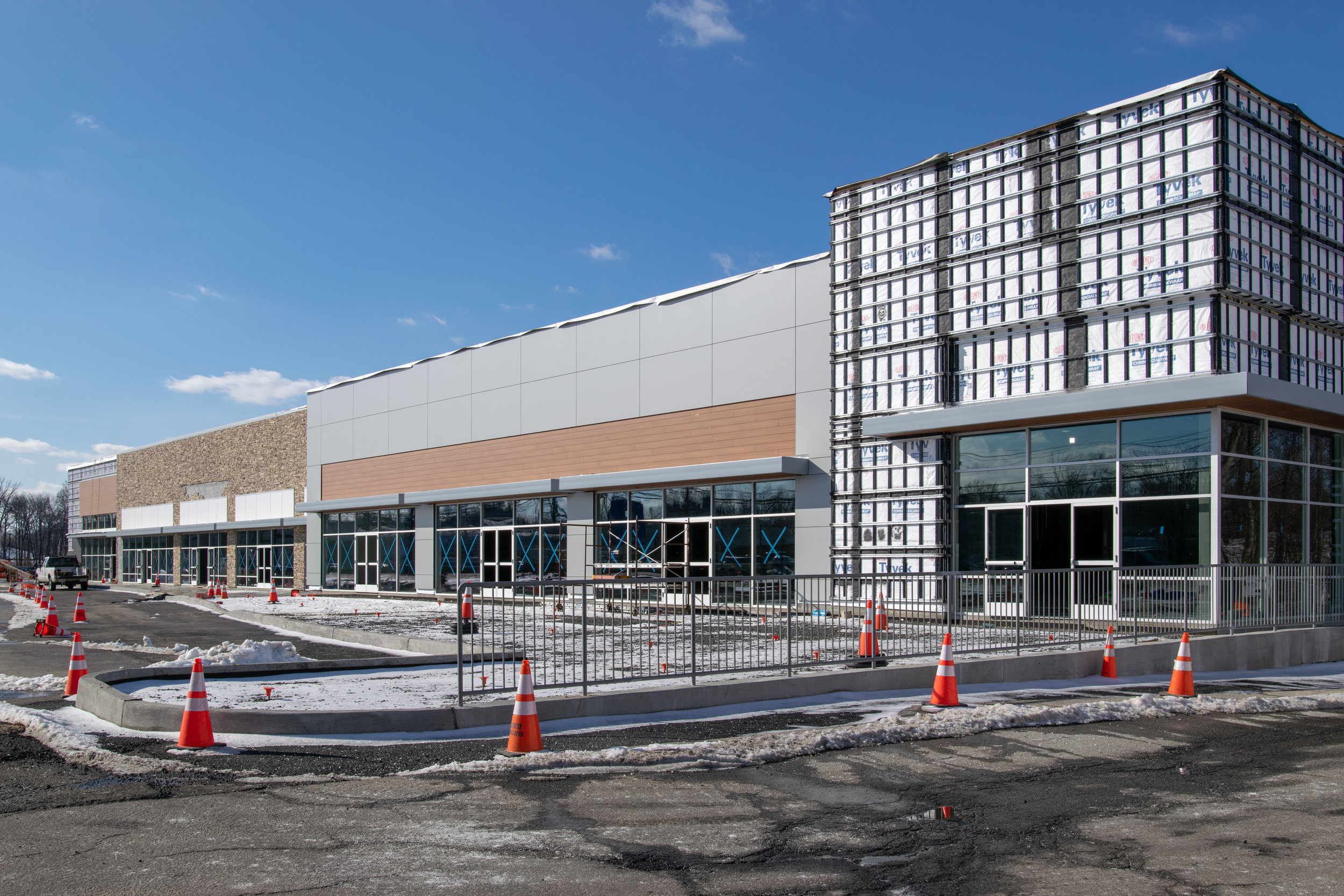
General Contractors of Grand Prairie delivers retail center construction across Grand Prairie and the broader south DFW corridor for owners who need one contractor keeping site work, building systems, and turnover obligations moving as a single program. Retail center construction for developers and owners who need shell, site, and tenant-readiness milestones aligned around leasing goals. Grand Prairie sits at the intersection of I-20, I-30, SH 360, and SH 161, and that geography drives real complexity on every major build — heavy truck traffic on Highway 360 affects concrete spec decisions, the Great Southwest Industrial District draws logistics tenants with demanding dock and yard requirements, and the Trinity River bottomlands on the city's eastern edge create drainage and soil conditions that must be addressed before any slab or pad schedule is locked.
We plan each project around those local realities. Whether the work is anchored to the industrial corridor near the FedEx and Amazon distribution facilities, the entertainment district around Six Flags Over Texas and Hurricane Harbor, the lakefront commercial land near Joe Pool Lake, or the mixed-use growth in Mira Lagos and Grand Peninsula, the field conditions in Grand Prairie differ from generic DFW assumptions. Summer pours in 100°F-plus heat require admixture and curing plans that protect slab quality. Blackland Prairie clay on the north side of the city behaves differently than Houston Black clay south of I-20, and foundation sequencing must account for that difference from the first day of civil planning.
Owners, developers, and operating teams use retail center construction when they need a contractor who can connect early scope decisions to real procurement timing, real municipal review constraints, and real site conditions — not just a generic project plan. We support multi-tenant retail shells, pad-ready shopping environments, and public-facing commercial sites with a delivery model built for the active commercial and industrial markets between Dallas and Fort Worth.
What Retail Center Construction Includes
Retail Center Construction is most effective when the general contractor keeps the service tied to the broader project objectives rather than letting it become a stand-alone scope. In Grand Prairie, that discipline is especially important because the site variables are real — Blackland Prairie and Houston Black clay soils behave differently depending on which part of the city a project sits in, the Great Southwest Industrial District sets high logistics standards for dock, slab, and yard work, and summer heat during 100°F-plus conditions requires proactive concrete admixture and curing planning. Our field teams track the work against those realities from the first procurement decisions through final punch.
We use that structure to protect owners from the coordination gaps that appear when one scope moves ahead without regard for the adjacent work. That is how projects in Grand Prairie's active commercial and industrial corridors stay on schedule instead of getting stalled between trades.
- Retail shell and storefront planning tied to leasing and turnover goals.
- Parking, access, and public-facing site finish coordination.
- Support for phased tenant delivery and shared-site utility sequencing.
- Scheduling around public visibility, occupancy, and municipal review.
- Quality oversight for storefront, common-area, and site finishes.
- Closeout paths that support staggered tenant turnover.
Our Retail Center Construction Process in Grand Prairie
Retail Center Construction needs a deliberate handoff from planning into the field. We follow a process that keeps owner decisions, procurement timing, and active jobsite coordination connected so the schedule remains usable once work starts. Grand Prairie's mix of industrial scale — driven by the Great Southwest Industrial District and major distribution operators along I-20 and SH 360 — and growing residential commercial demand in neighborhoods like Mira Lagos, Grand Peninsula, and Lake Crest means no two projects share the same set of constraints.
That is why we plan around the actual site, jurisdiction, and operational conditions rather than a standard DFW template. Owners working across the Tarrant-Dallas county boundary, near Joe Pool Lake drainage zones, or in the EpicCentral entertainment district need a contractor who has already mapped those variables into the schedule and procurement plan.
Confirm shell standards, site requirements, and tenant delivery assumptions.
Confirm shell standards, site requirements, and tenant delivery assumptions. starts with direct review of the project constraints that can actually affect the build path. For retail center construction, that includes scope boundaries, access limits, procurement timing, and any owner obligations that need to stay visible from the field all the way through turnover.
For retail center construction in Grand Prairie, that usually means resolving site-specific constraints early — Blackland Prairie clay on the north side of the city requires different slab engineering than the Houston Black clay south of I-20, Trinity River bottomland flood risk affects utility routing decisions near the eastern corridors, and Highway 360 truck traffic loads must inform concrete spec and pavement design for any site with active freight movement. Those are not abstract risks. They are concrete planning decisions that protect the budget and the schedule.
Align site work, shell release, and public-facing finish milestones.
Align site work, shell release, and public-facing finish milestones. starts with direct review of the project constraints that can actually affect the build path. For retail center construction, that includes scope boundaries, access limits, procurement timing, and any owner obligations that need to stay visible from the field all the way through turnover.
That discipline matters in a market like Grand Prairie where the Great Southwest Industrial District sets demanding logistics standards and where a Tarrant-Dallas county boundary split can introduce permit jurisdiction questions that are easier to resolve in planning than in the field.
Manage field work around leasing activity and shared-site access.
Manage field work around leasing activity and shared-site access. starts with direct review of the project constraints that can actually affect the build path. For retail center construction, that includes scope boundaries, access limits, procurement timing, and any owner obligations that need to stay visible from the field all the way through turnover.
Grand Prairie's summer heat creates additional concrete pour planning requirements — admixture selection, pour timing, curing coverage, and truck delivery windows must all account for temperatures that regularly exceed 100°F during peak summer months. We build those requirements into the field plan rather than leaving them to crew judgment on the day of a pour.
Track tenant coordination items without losing shell progress.
Track tenant coordination items without losing shell progress. starts with direct review of the project constraints that can actually affect the build path. For retail center construction, that includes scope boundaries, access limits, procurement timing, and any owner obligations that need to stay visible from the field all the way through turnover.
Clear communication keeps the project readable for owners, whether they are monitoring leasing progress in Mira Lagos and Grand Peninsula development zones, tracking infrastructure investment in the EpicCentral entertainment district, or managing logistics capacity expansion in the industrial corridor near Joe Pool Lake and Mountain Creek Lake commercial areas.
Deliver turnover packages that help spaces move efficiently into occupancy.
Deliver turnover packages that help spaces move efficiently into occupancy. starts with direct review of the project constraints that can actually affect the build path. For retail center construction, that includes scope boundaries, access limits, procurement timing, and any owner obligations that need to stay visible from the field all the way through turnover.
That allows owners to make confident decisions about occupancy, equipment move-in, or tenant setup without waiting for the construction team to catch up on documentation, inspections, or outstanding scope items.
Where Retail Center Construction Fits Best in the Grand Prairie Market
Retail Center Construction becomes most valuable when the delivery approach reflects the specific needs of the facility, the site, and the owner's operational goals. We apply this service to neighborhood retail, service retail centers, outparcel programs, and main-street redevelopment across Grand Prairie and the south DFW corridor — markets where the combination of major logistics infrastructure, entertainment and retail demand, lakefront residential development, and diverse Asian commerce anchored by Asia Times Square creates a wide range of project types that each call for different sequencing priorities.
Each application below draws on the same underlying advantage: one accountable contractor who keeps the moving parts coordinated so the owner does not have to manage the handoffs between them.
neighborhood retail
Retail Center Construction is often the right fit for neighborhood retail in Grand Prairie because these projects need a contractor who keeps site conditions, building scope, and owner priorities synchronized. We coordinate field activity around the actual performance goals of the asset — not a generic build plan — and we understand how Grand Prairie's mix of heavy logistics infrastructure, entertainment-district retail, lakefront residential development, and Asian commerce hubs like Asia Times Square shapes what owners and tenants actually need from a finished building.
Grand Prairie's Great Southwest Industrial District is one of the largest contiguous industrial clusters in the entire DFW metroplex, and the logistics tenants operating there — including FedEx, UPS, Amazon, and Walmart distribution facilities — set demanding standards for dock clearance, slab flatness, truck-court depth, and yard circulation. Projects in that corridor need a contractor who plans around those operational criteria from the start rather than treating dock layout and paving as afterthoughts.
That means neighborhood retail work stays buyer-facing and practical throughout delivery, with turnover planning tied to real occupancy timelines rather than construction-only milestones.
service retail centers
Retail Center Construction is often the right fit for service retail centers in Grand Prairie because these projects need a contractor who keeps site conditions, building scope, and owner priorities synchronized. We coordinate field activity around the actual performance goals of the asset — not a generic build plan — and we understand how Grand Prairie's mix of heavy logistics infrastructure, entertainment-district retail, lakefront residential development, and Asian commerce hubs like Asia Times Square shapes what owners and tenants actually need from a finished building.
Grand Prairie spans the Tarrant and Dallas county line, which means permitting, inspection jurisdictions, and utility provider coordination can shift depending on which side of the boundary a site lands. Our team plans for that complexity up front so it does not create delays once the field is moving.
That allows service retail centers teams to move from planning into execution with fewer handoff gaps, fewer late revisions, and stronger control over the final turnover path — including any phased startup requirements the site may carry.
outparcel programs
Retail Center Construction is often the right fit for outparcel programs in Grand Prairie because these projects need a contractor who keeps site conditions, building scope, and owner priorities synchronized. We coordinate field activity around the actual performance goals of the asset — not a generic build plan — and we understand how Grand Prairie's mix of heavy logistics infrastructure, entertainment-district retail, lakefront residential development, and Asian commerce hubs like Asia Times Square shapes what owners and tenants actually need from a finished building.
The entertainment and retail district surrounding Six Flags Over Texas, Hurricane Harbor, and Grand Prairie Premium Outlets generates a persistent demand for commercial renovation, retail fit-out, and visitor-facing site improvements. That kind of work requires tight sequencing around business hours, high-visibility finishes, and compressed delivery windows that protect tenant operations during active trading periods.
That means outparcel programs work stays buyer-facing and practical throughout delivery, with turnover planning tied to real occupancy timelines rather than construction-only milestones.
main-street redevelopment
Retail Center Construction is often the right fit for main-street redevelopment in Grand Prairie because these projects need a contractor who keeps site conditions, building scope, and owner priorities synchronized. We coordinate field activity around the actual performance goals of the asset — not a generic build plan — and we understand how Grand Prairie's mix of heavy logistics infrastructure, entertainment-district retail, lakefront residential development, and Asian commerce hubs like Asia Times Square shapes what owners and tenants actually need from a finished building.
Joe Pool Lake and the surrounding parks — Lynn Creek, Loyd Park, and Britton Park — anchor residential master-plan communities including Mira Lagos, Grand Peninsula, and Lake Crest. Builders and commercial owners serving those neighborhoods work within HOA aesthetic requirements, stormwater management expectations tied to the lake watershed, and a diverse Grand Prairie ISD community that values durable, well-executed construction.
That allows main-street redevelopment teams to move from planning into execution with fewer handoff gaps, fewer late revisions, and stronger control over the final turnover path — including any phased startup requirements the site may carry.
Why Owners in Grand Prairie Choose General Contractors of Grand Prairie for Retail Center Construction
Retail Center Construction delivers better outcomes when the general contractor grounds every field decision in the owner's actual priorities rather than trade-by-trade progress. Our delivery model is built around leasing pace, public presentation, shared-site function, and tenant turnover, and we keep those priorities visible through every phase — from early procurement planning through final punch and handoff.
Grand Prairie presents specific site and market dynamics that generic DFW contractors often underestimate. The Great Southwest Industrial District puts enormous pressure on slab and dock sequencing timelines. Heavy truck traffic on Highway 360 accelerates pavement wear and dictates concrete spec choices. Blackland Prairie clay soil conditions on the city's north side and Trinity River bottomlands flooding risk on the east require proactive geotechnical planning. And the Tarrant-Dallas county split means jurisdictional awareness matters from the first permit submittal. We factor all of that into how we organize the project schedule, procurement packages, and field coordination from day one.
The value for owners is a project that does not lose momentum at the trade boundaries — the places where civil meets structure, where shell meets enclosure, where interior work meets equipment planning. We manage those handoffs aggressively so the finished facility performs as promised and the owner gets to occupancy, startup, or lease-up without avoidable delays.
- Field plans anchored to leasing pace, public presentation, shared-site function, and tenant turnover with procurement and access factored in from the start.
- GP-specific planning for clay soils, 100°F summer heat, Highway 360 truck traffic, and Great Southwest Industrial District logistics requirements.
- Direct owner reporting when procurement, inspections, or county-line jurisdictional issues need a decision.
- Turnover support built for real operational, leasing, or startup timelines — not just substantial completion on paper.
Grand Prairie and South DFW Service Area
General Contractors of Grand Prairie coordinates retail center construction across Grand Prairie, Arlington, Irving, Dallas, Fort Worth, Mansfield, and other nearby commercial and industrial markets in the south DFW corridor. Grand Prairie's position at the center of that geography — between Dallas and Fort Worth on I-20 and I-30, with direct access to SH 360 and SH 161 — makes it a primary logistics, industrial, and commercial hub that draws project demand from across the region. The Great Southwest Industrial District alone represents one of the largest industrial footprints in the metroplex, and the city's entertainment, retail, and residential growth zones add commercial complexity that most south DFW contractors are still scaling to meet.
Our team plans for the cross-market realities that come with that geography: vendor travel between Tarrant and Dallas county sites, shared subcontractor pools with other active logistics projects, permit and utility coordination across multiple jurisdictions, and phased work that may span more than one city or county. We treat those conditions as standard planning inputs rather than surprises that emerge mid-project.
Frequently Asked Questions
What does retail center construction include on a Grand Prairie commercial or industrial project?
Retail center construction covers the planning, field coordination, and turnover work needed to deliver that scope as part of a connected project. We align the site package, structural path, procurement pacing, and owner decision points so the work can advance without the gaps that appear when scopes are treated as isolated tasks.
In Grand Prairie specifically, that means accounting for Great Southwest Industrial District logistics standards, Tarrant-Dallas county jurisdictional split, Blackland Prairie clay soil behavior, and 100°F-plus summer heat during concrete pours. Those local factors shape how we write the schedule, sequence the trades, and plan for quality control across the job.
When should retail center construction scope be defined in Grand Prairie preconstruction?
As early as possible — ideally while site assumptions, procurement options, and sequencing logic can still be adjusted without field-level disruption. On Grand Prairie projects, early planning also gives us time to address geotechnical conditions, utility routing in the Great Southwest Industrial area, and any flood-risk factors tied to Trinity River bottomlands or Joe Pool Lake watershed zones.
Getting that work done in preconstruction keeps later schedule decisions grounded in real conditions instead of generic assumptions that fall apart when the field starts.
How do you coordinate retail center construction around active logistics operations or phased occupancy?
We map active operations, restricted access zones, and release milestones before the field plan is fixed. Grand Prairie's industrial corridor runs with 24-hour logistics activity at facilities like FedEx, Amazon, and Walmart distribution centers, which means neighboring projects must plan access windows, truck movement, and concrete delivery scheduling around that traffic — especially on Highway 360 where heavy trucks affect both timing and pavement spec decisions.
The field schedule then reflects those real constraints, with protection plans, phasing boundaries, and handoff dates that match what operations actually allow rather than what a generic baseline would assume.
What typically affects schedule certainty for retail center construction in Grand Prairie and south DFW?
In Grand Prairie, schedule certainty is shaped by procurement timing, city and county permit review, utility coordination at the Tarrant-Dallas county boundary, soil conditions that vary between the north and south sides of the city, and summer heat that restricts concrete placement windows. The Great Southwest Industrial District also creates high demand for the same subcontractor pool that industrial tenants and logistics operators draw from, which affects labor availability and lead times.
We keep those variables visible through direct project reporting so the team can make decisions before a constraint becomes part of the critical path.
How does General Contractors of Grand Prairie add value during retail center construction in the Grand Prairie market?
We connect design intent, field sequencing, procurement, and turnover into one accountable workflow. That keeps the owner from managing a disconnected set of trade conversations while the schedule slips between them. For retail center construction in Grand Prairie, that means decisions happen with the full project picture in mind — including the specific local factors that generic DFW contractors often miss or underplan.
The result is a steadier schedule, fewer surprises at the trade boundaries, and a cleaner handoff when the project moves into occupancy, startup, or lease-up.